Japan is definitely different. Or maybe I mean defiantly different. It’s not an easy country to understand and so you might conclude that it’s not a comfortable place to visit. Confronting, perhaps. A country that requires you to keep your wits about you. But challenging the brain keeps you young, apparently.
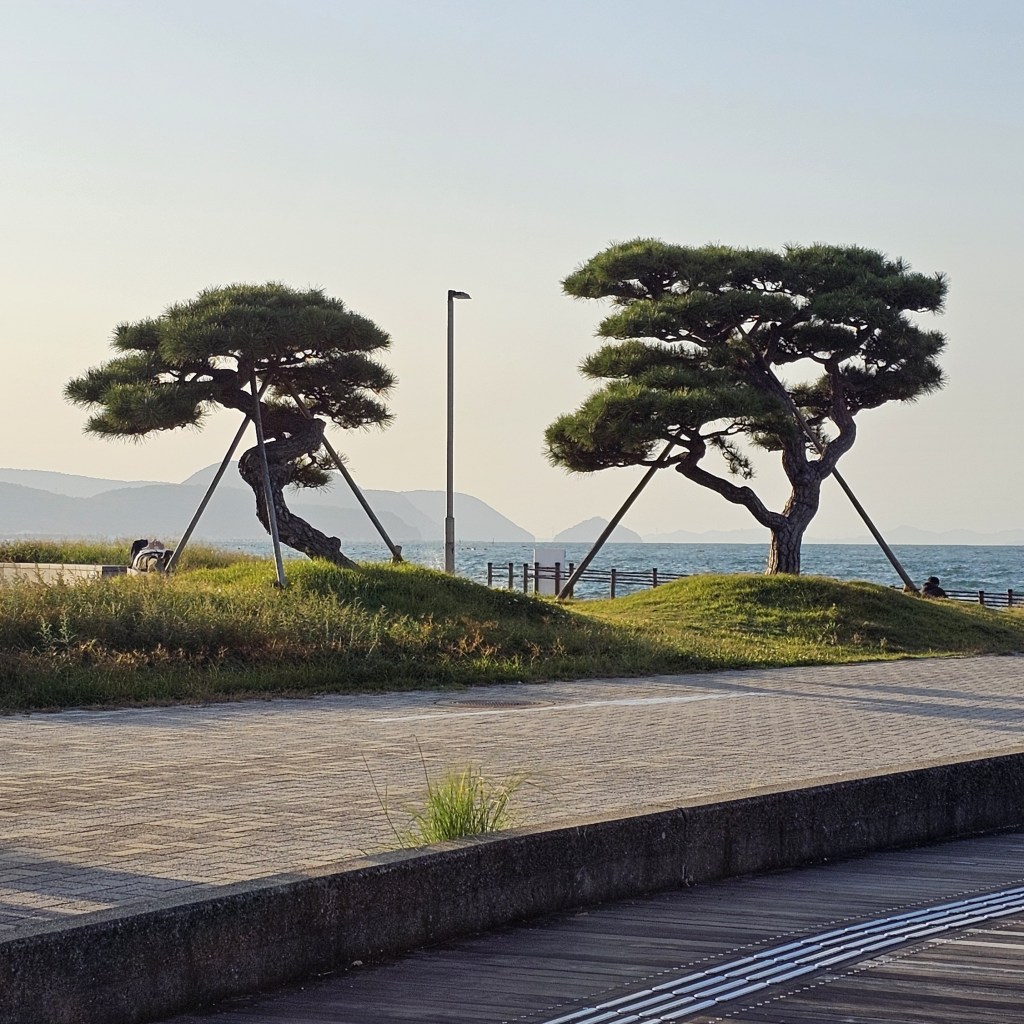
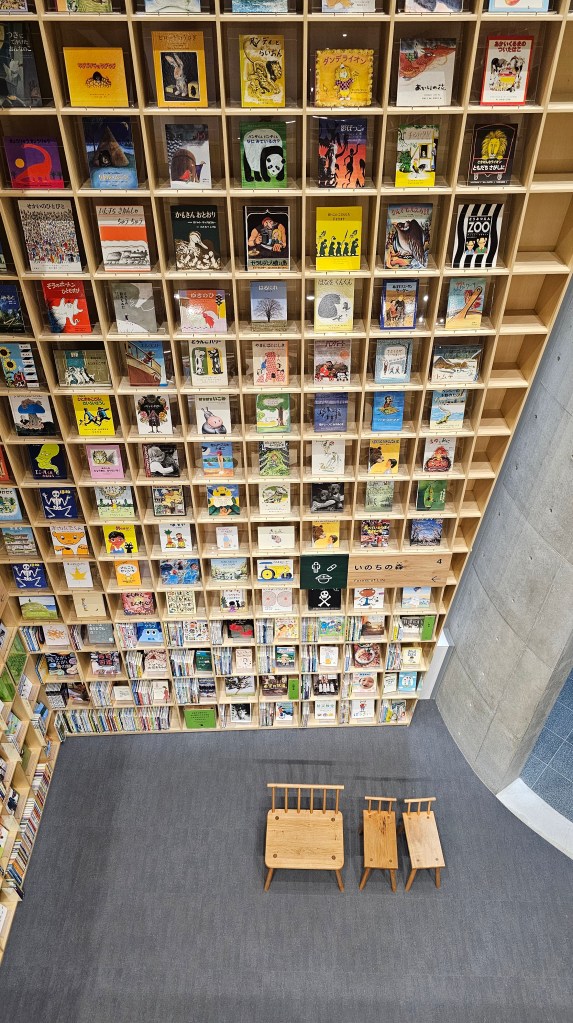
My recent trip was my sixth to Japan, this time repeating an architecture and design tour I led last year from Kobe to Hiroshima by way of Shikoku (thanks to Jon Baines Tours). As with last year, my group was an interesting assortment of intelligent people from Australia and Britain, all curious to experience more than just the standard sights. And so, along with castles, temples and sublime traditional gardens, we visited municipal incinerators and a sewage treatment plant, a 1950s office block, and libraries created just for children.
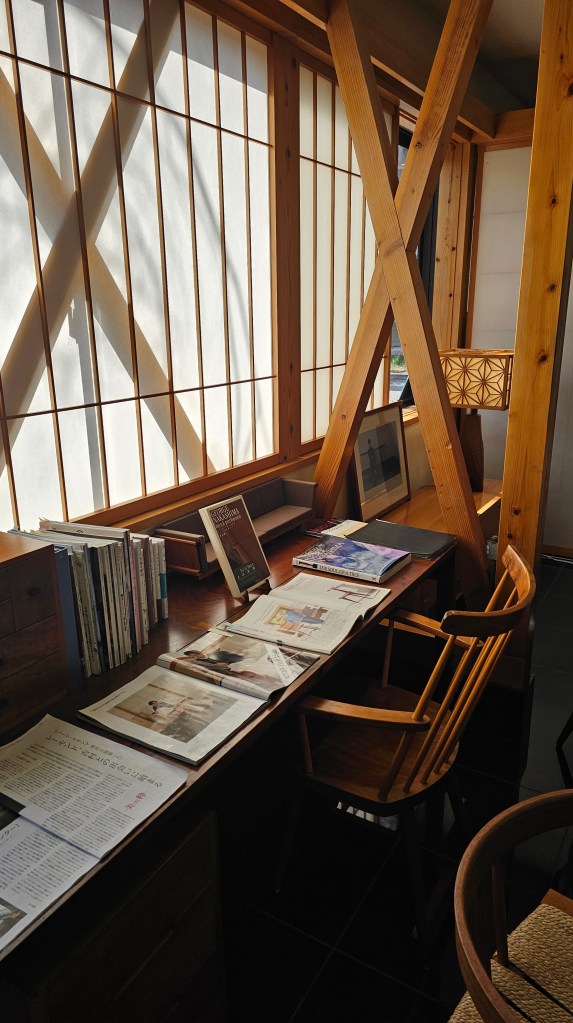
Not to mention an archaic factory that weaves cotton and uses indigo dyes just as was done in samurai times, and a paper-making workshop where each sheet of washi paper takes a month to make and each is different from the other.
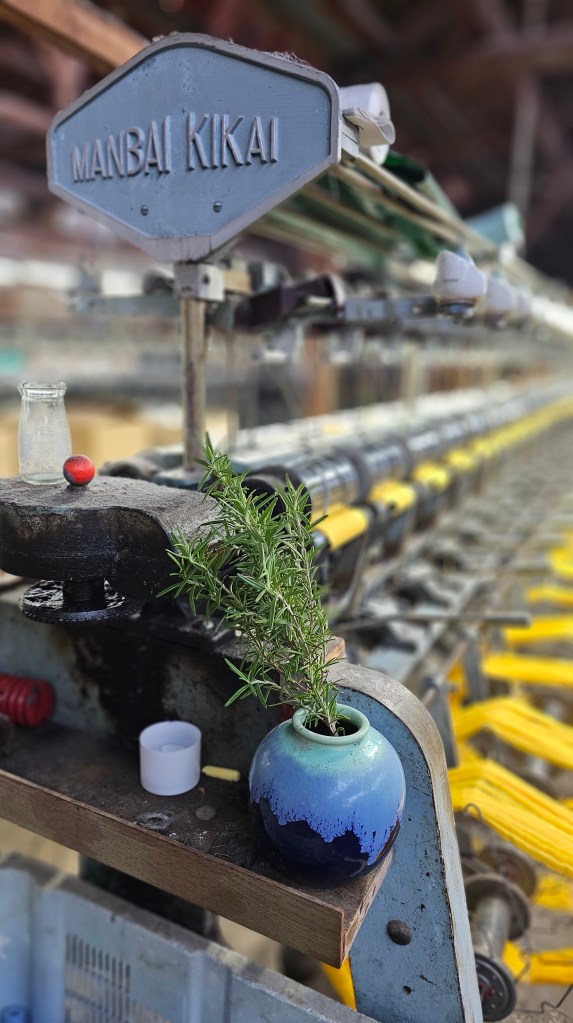
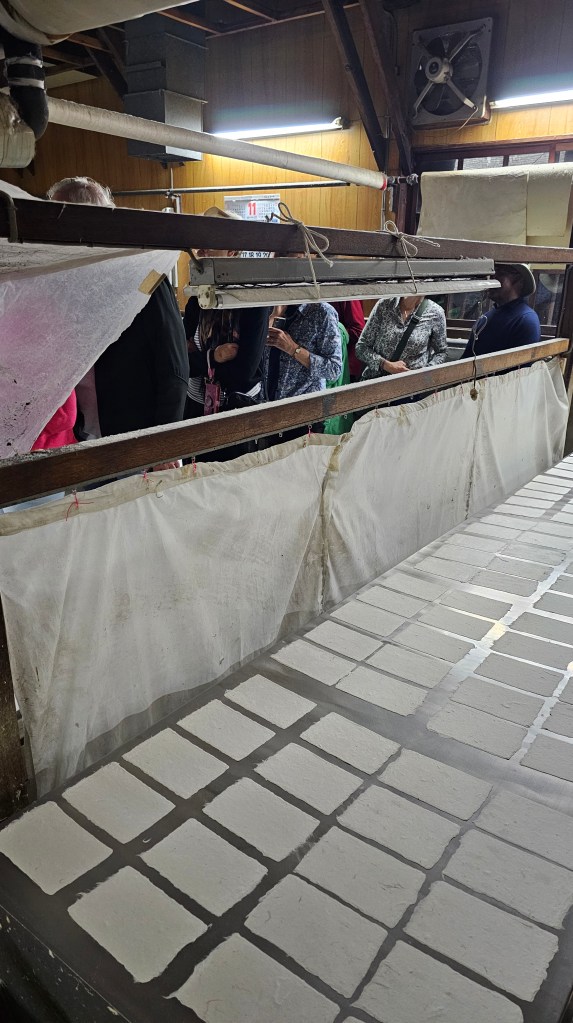
It’s a joy for me to share such places with people who find them equally fascinating. The connecting thread is the way tradition imbues each of them, creating something, whether in concrete or cotton, that is forcefully (did I say defiantly?) Japanese.
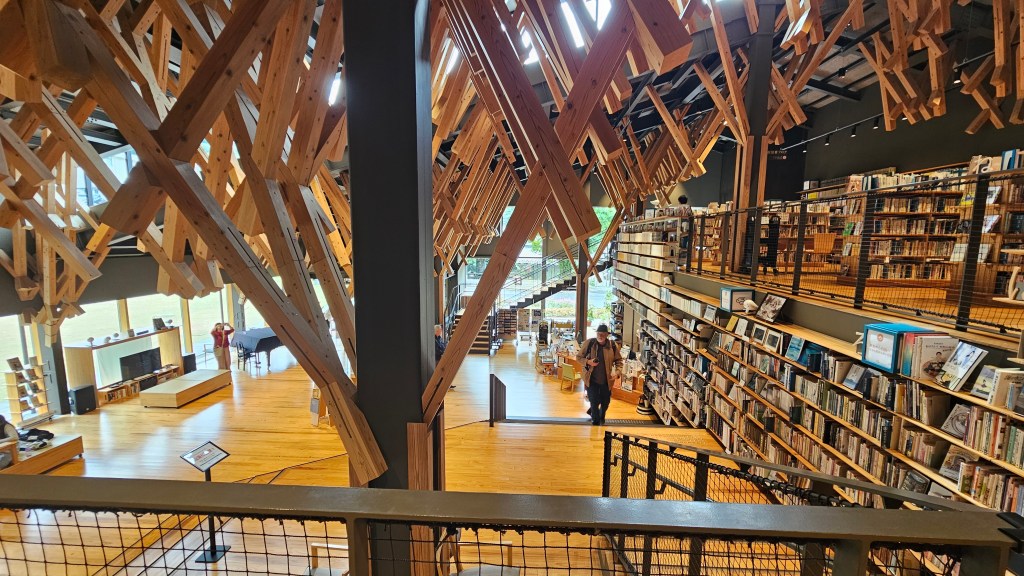
That sense of tradition attracts me back each time. It’s why I love taking people to the remote mountain town of Yusuhara to see how architect Kengo Kuma has given this humble place buildings that not only meet its needs but speak of its past and embrace its landscape.
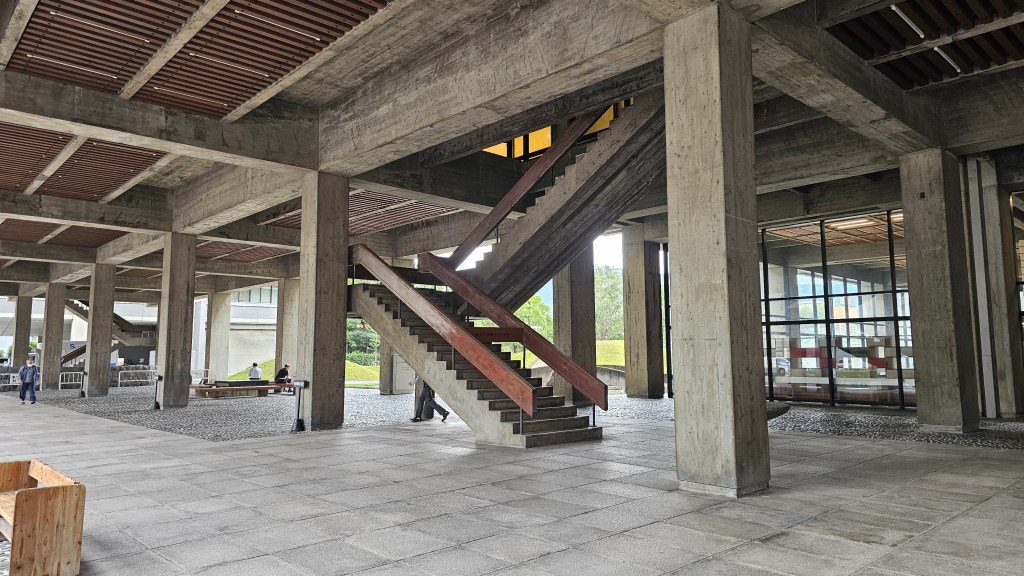
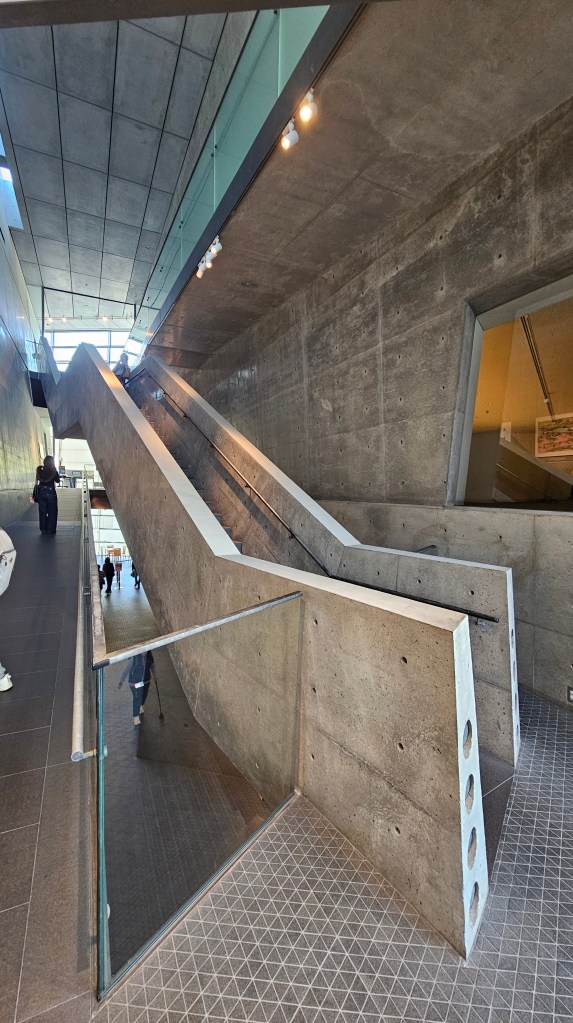
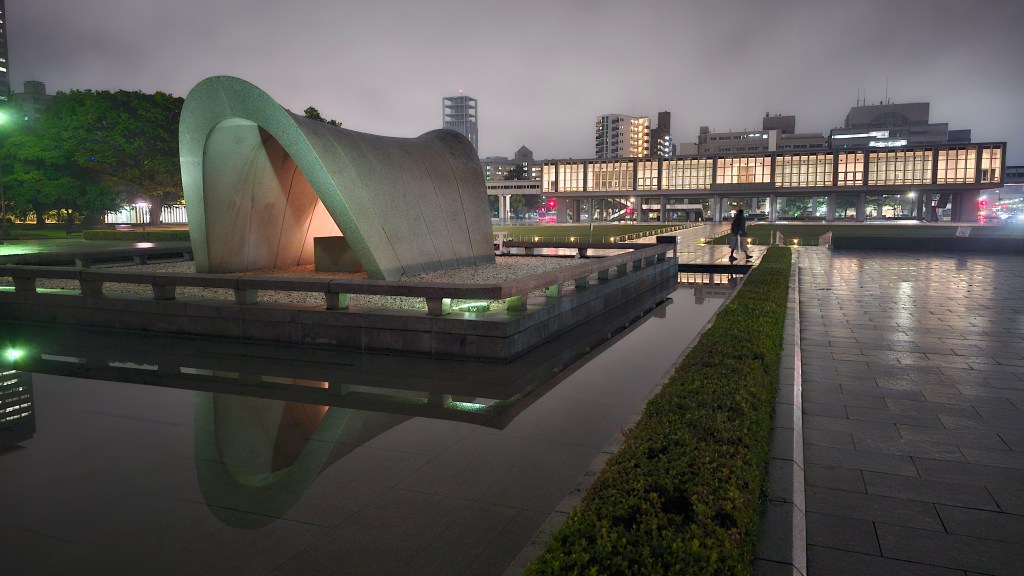
It is tradition that makes me adore the post-and-beam structure of Kenzo Tange’s concrete prefectural building in Takamatsu and which gives such quiet authority to the memorial museum he built in Hiroshima. And it’s why I sigh over a simple wooden chair by George Nakashima or a ruffled paper lantern by Isamu Noguchi.
I remember our very first trip, back in 2014, when we arrived from Sydney feeling wrung out by the ongoing renovation of our house. I’d almost hoped the trip would be cancelled after a tremendous storm ripped through Sydney and delayed our flight. The idea of travelling to a new-to-me country felt like too much work, and first impressions landing at the airport in Tokyo didn’t bode well. Expecting Japanese efficiency and cutting-edge technology, Narita airport was all queues and paperwork, everyone shuffling through as though air travel was something quite new. But something about this disconnect was arresting, an omen that told me that Japan is never quite what you expect. So when, a few hours later, I contemplated the neatly-pressed yukata folded on my hotel bed, topped with a tiny origami paper crane, I felt my anguish soften. A fortnight later, I knew this would be a country that would always occupy a special place in my heart.
For all the wonder of its architecture and design, there’s another key aspect of Japan that always lures me back: I simply feel happy there. It’s not that I want to live there, which is the nagging feeling I often have when travelling through France and Italy, but more a sense of contentment, enjoying each moment I have there. Appropriately Zen, in fact. I’ve mentioned before, in previous blogs, that Japan is good for one’s mental health.
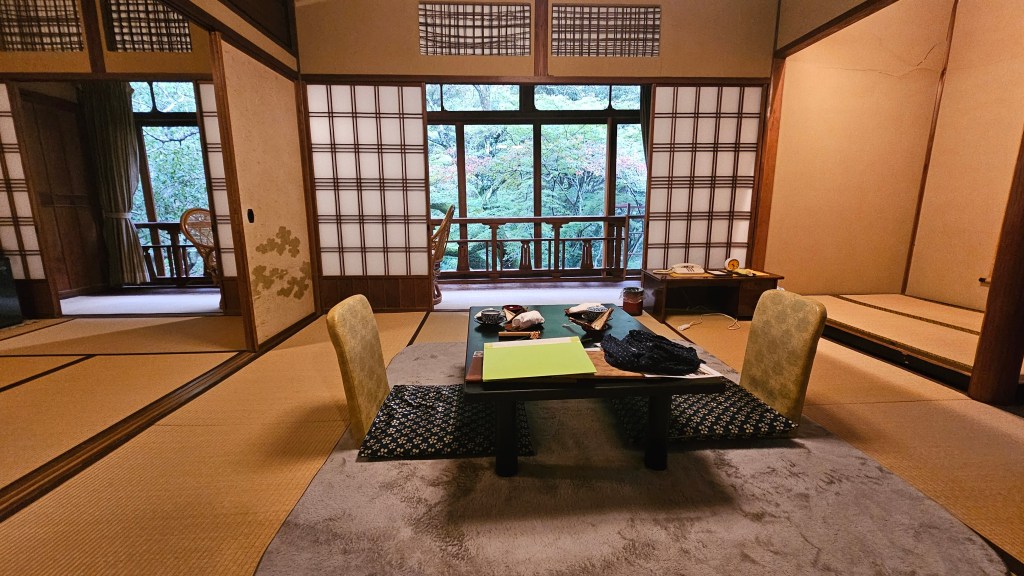
That seems perfectly understandable if you’re staying in a traditional ryokan full of shoji screens, burnished wood and golden tatami rooms overlooking a gurgling stream, where each meal is exquisitely presented and nothing seems too much trouble. But what about Tokyo? Surely this, one of the most populous cities in the world, is anything but Zen?
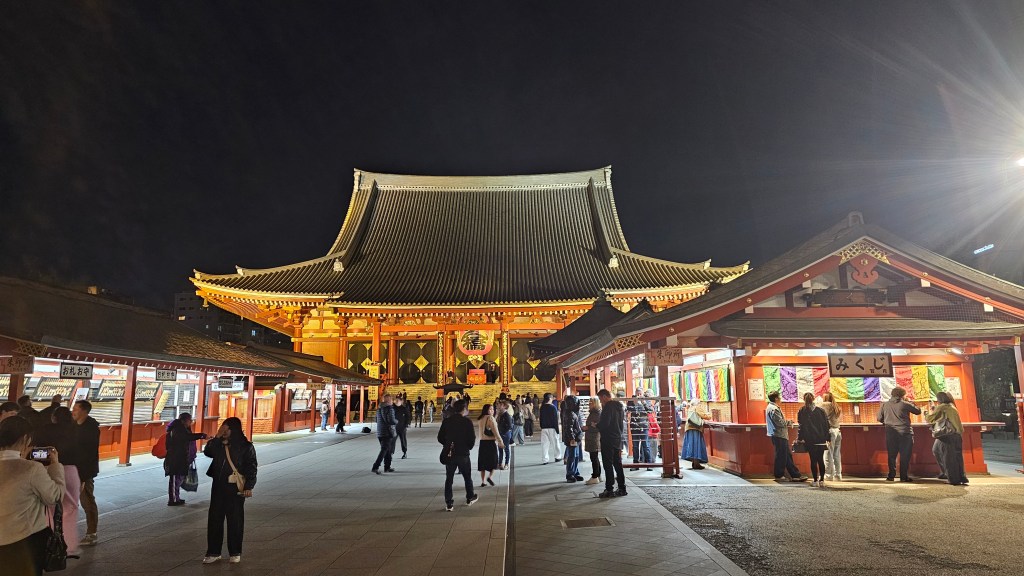
Tokyo is a city that can be frenetic or surprisingly calm. I was struck by what a charming city it is. I saw it as a kind of Paris of the Orient, with a similar sense of character-filled corners and appealing little cafes and restaurants, a picture at every step, and with a museum or art gallery glorying in every kind of human endeavour. Tokyo is a many-layered place, where gleaming office towers overlook streets of tiny, plasticky houses, where a Shinto shrine brings a breath of peace to a busy boulevard, and where the pulsing energy of its metro system manages to feel both orderly and chaotic. Like all great cities, it urges you to uncover its secrets, offering rewards if you make the effort to walk its backstreets and encounter people and businesses you might otherwise miss, or if you pass through the Noren curtains hanging in a plain doorway and discover an eating experience you will never forget
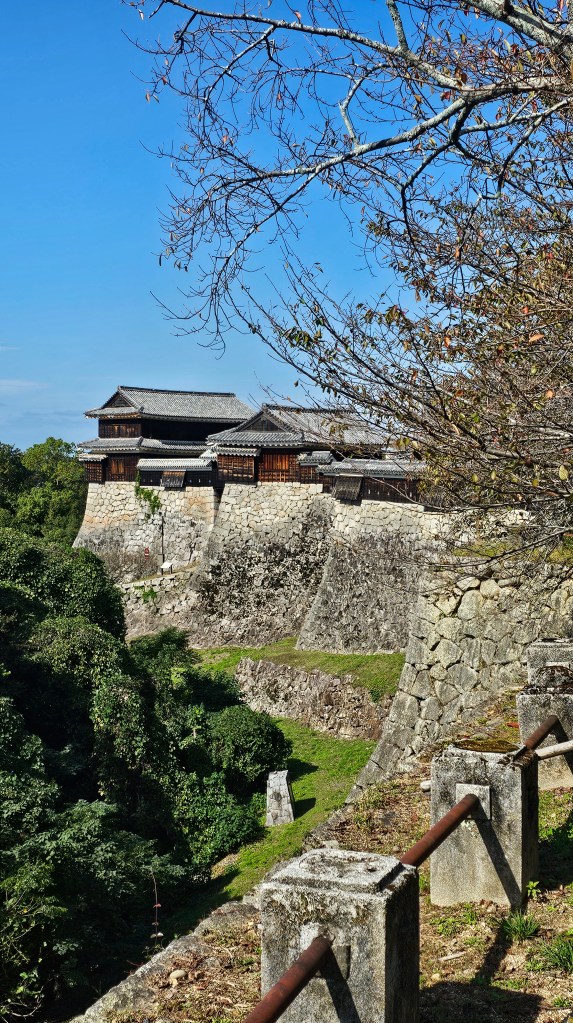
Tokyo is full-force Japan, no doubt about it, but you encounter similar elements in any of Japan’s cities. This time we spent time in Kobe, Takamatsu, Matsuyama, and Hiroshima. Each city sprawls almost shockingly until stopped by mountains, rivers or sea. Where’s the charm, you wonder, and then you discover an abundance of it with every step you take. I marvel at how upbeat Hiroshima feels despite the agony of its past. I swoon over local crafts like patterned towels from Imabari and pale blue Tobe pottery, and I’m struck again by how much live music is played in Takamatsu. The curving stone of Matsuyama’s stronghold makes you sigh with delight (it’s what a castle wall should be), as do the high mountain roads of Kochi province as you pass swishing fields of miscanthus grass. Simple gestures of welcome are experienced everywhere, even if it’s just a smile.
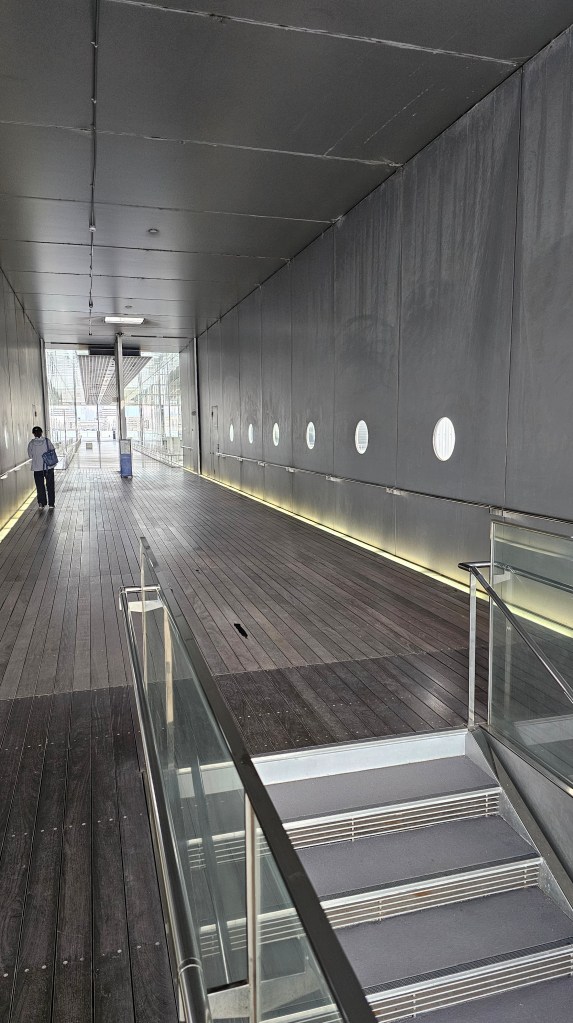
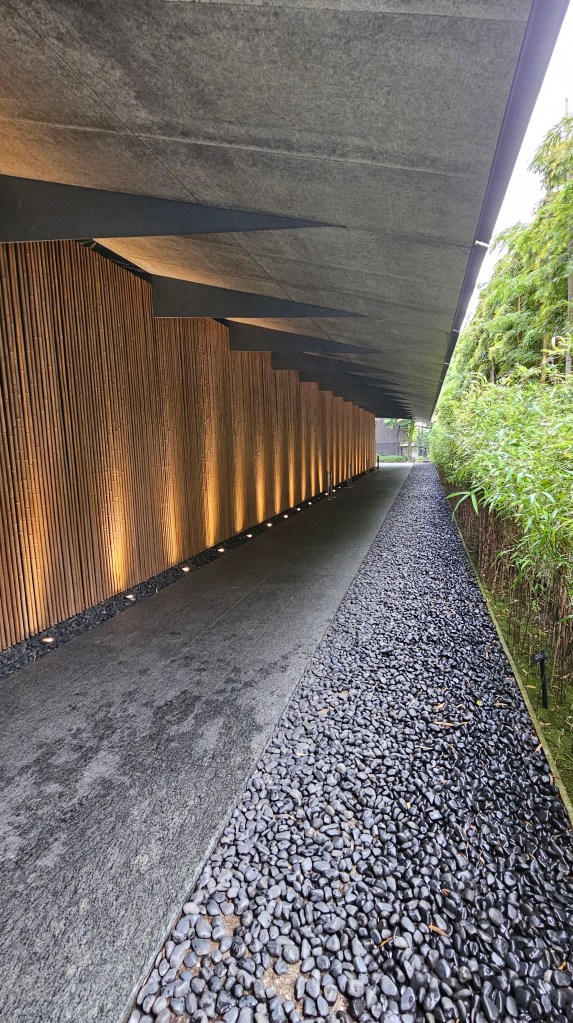
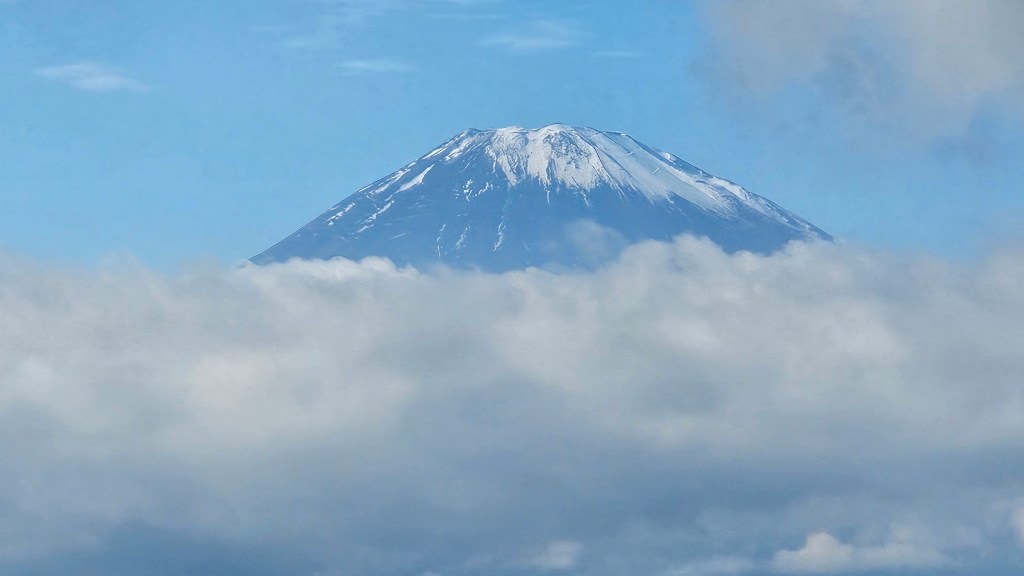
At the end of our trip, as the train headed through the Tokyo suburbs to the airport, my mind was still processing the sights of the previous three weeks: the reddening maples giving a blush to hillsides; the white-clad pilgrims walking the 88 temples route across Shikoku; the dinky cars that make such sense; the peace of Ando’s Water Temple; the rush of pleasure I felt when Mount Fuji pierced the clouds. So much seen, touched and tasted. The odd thing – the conundrum of Japan, if you like – is how much you are out of your comfort zone, sleeping on floors, being assaulted each morning by a bidet-toilet with its sprays and flashing lights, eating pickled and salted foods when your body craves fibre and greens, enduring the endless deference while feeling clumsy, and yet it feels so right. You are nourished by the beauty and care of its food, charmed by the casual smiles as well as the time-honoured etiquette, enchanted by its focus on the flawless apple and the perfect timber joint, and captivated by its understanding of the life-enhancing quality of autumn leaves and spring flowers.
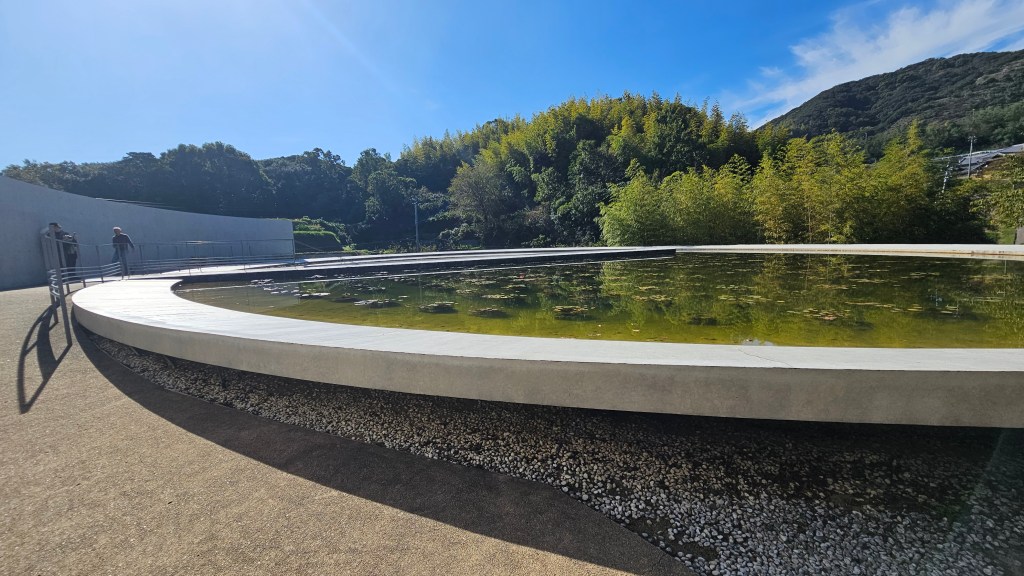
The Japanese concept of ma is about the empty space between things that can heighten the thing itself, like the gap between mountains that can suddenly fill with clouds and emphasise the solidity of the mountains themselves. It’s the power of the empty vestibule before entering a furnished room, the meaningful pause in a conversation, the jag of serenity you feel as you step through a tori gate, and the sudden silence of entering a moss garden from a busy street. It’s a moment of repose and nothingness. For me, the appeal of Japan is in the unspoken things that fill its busy spaces and the echoes of the past which float through every part of daily life.
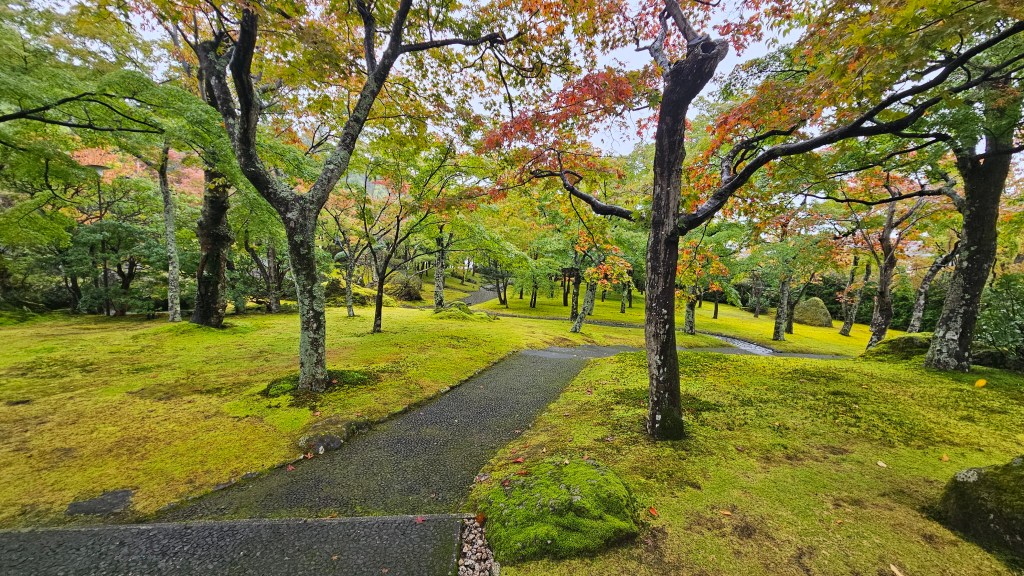
Japan provides a comfort zone that I hadn’t anticipated. Different, certainly, but to which I now find myself defiantly attached.
What place has surprised you?




Leave a Reply