Last week I read that soft furnishings company Designers Guild had gone bankrupt. A post on @TheChelseaCitizen showed its flagship store on the King’s Road in Chelsea abandoned and forlorn. It was sad news. I worked there through the 1980s, starting as a menial assistant but becoming the interior designer for the company during the yuppie boom years. When I left, I had worked there for nearly a third of my lifetime. No wonder it occupies a special place in my heart.
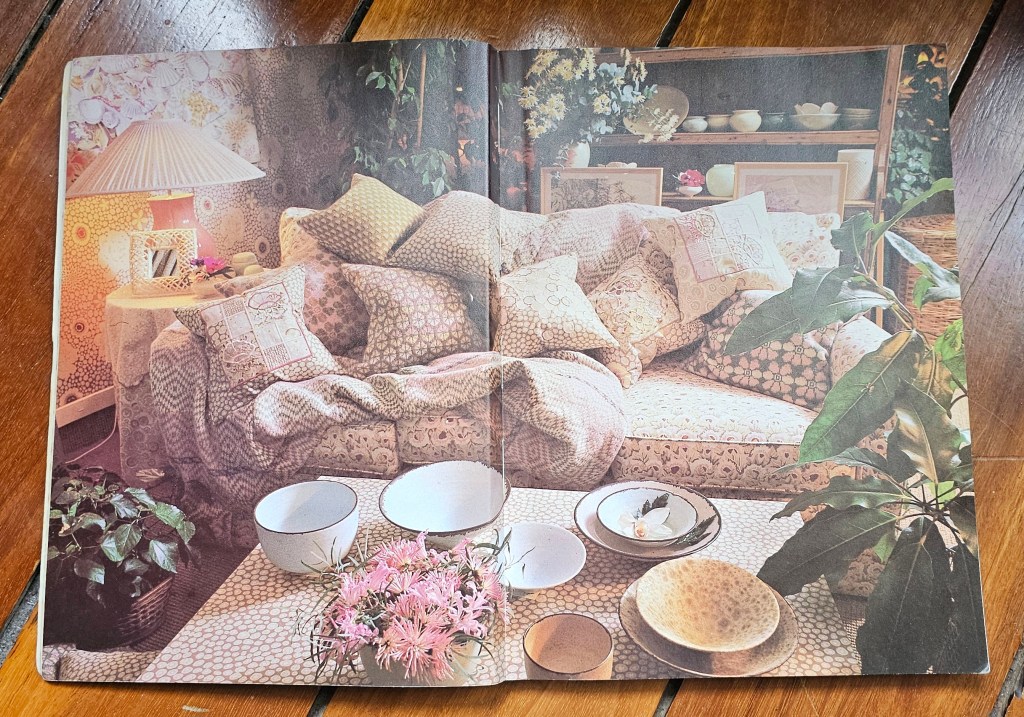
It was fascinating to be part of a company going through great change. When I first joined, it was a small affair, with a cramped little warehouse in Fulham, and the two showrooms at 271 and 277 King’s Road. They were crammed with fat rolls of fabric, overstuffed furniture, and overflowing curtains. Huge wicker baskets were packed with cushions and there were vases of fresh flowers of all sizes on every available surface. There was pattern and colour everywhere you looked. It was absurdly pretty, very floral, and rather dreamlike. It was also very popular, especially with the Sloane Ranger set.
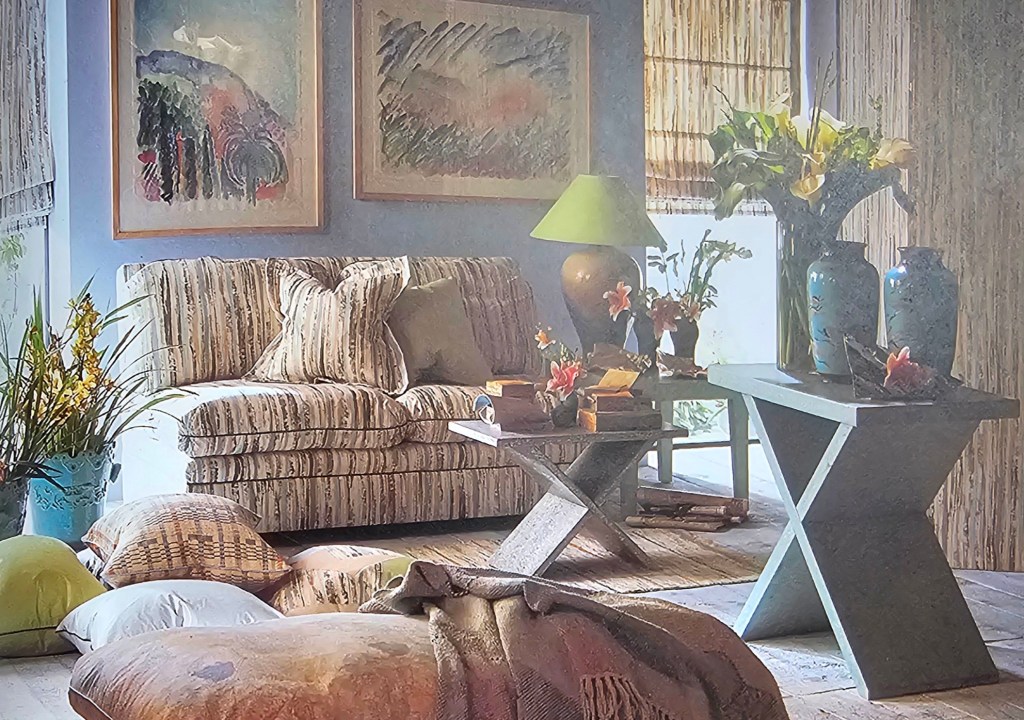
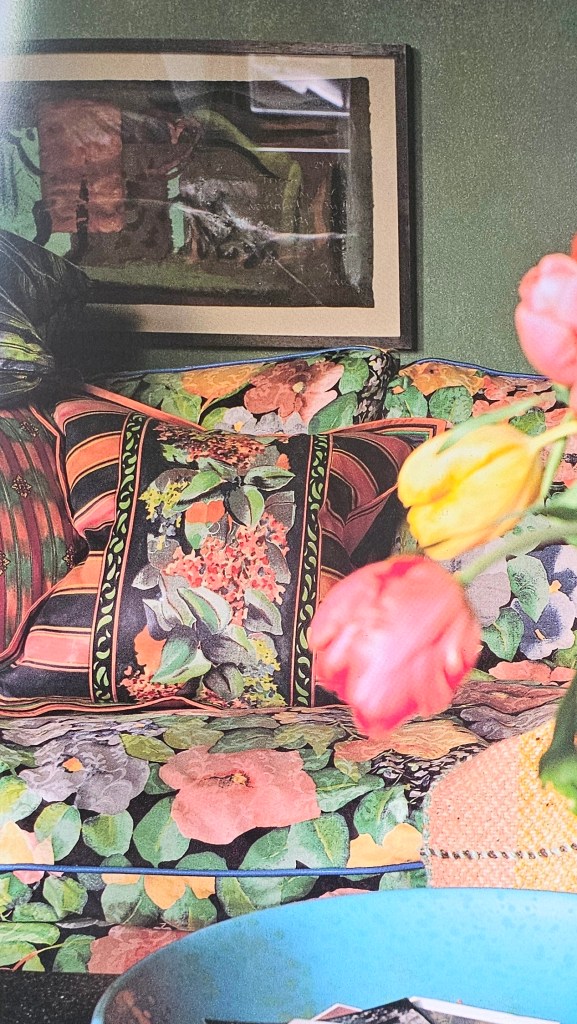
The business evolved quite suddenly. The old warehouse was replaced with a cavernous one in White City, and the showrooms underwent a huge transformation. A streamlined and more contemporary look moved in. The coconut matting flooring was stripped out and replaced by bleached ash planks. The colour palette of the spring and autumn fabric and wallpaper collections was also ramped up, moving beyond the signature pastels to brighter, richer colours and a broader range.
This sleeker look was accompanied by Artemide lighting, Philippe Starck chairs, and, later, the dolly-mixture colours of the new Memphis group, which was so shocking I’m not sure we sold any of it (and boy, do I regret not buying at least one of Ettore Sottass’s multi-coloured Murano vases when we tried to offload them in the annual sale).
I found it exhilarating to be part of the company. I loved the people I worked with and the founder, Tricia Guild, was so passionate about colour and design that it was hard not to be caught up in the energy of the place. She was eager to try out new things and while there were deals with overseas companies like Ralph Lauren and Etro, there remained a love for the handmade and the individual and the best of British design, like ceramics by Janice Tchalenko and a fabric collection by artist Howard Hogkin. There was an undeniable echo of William Morris in his heyday.
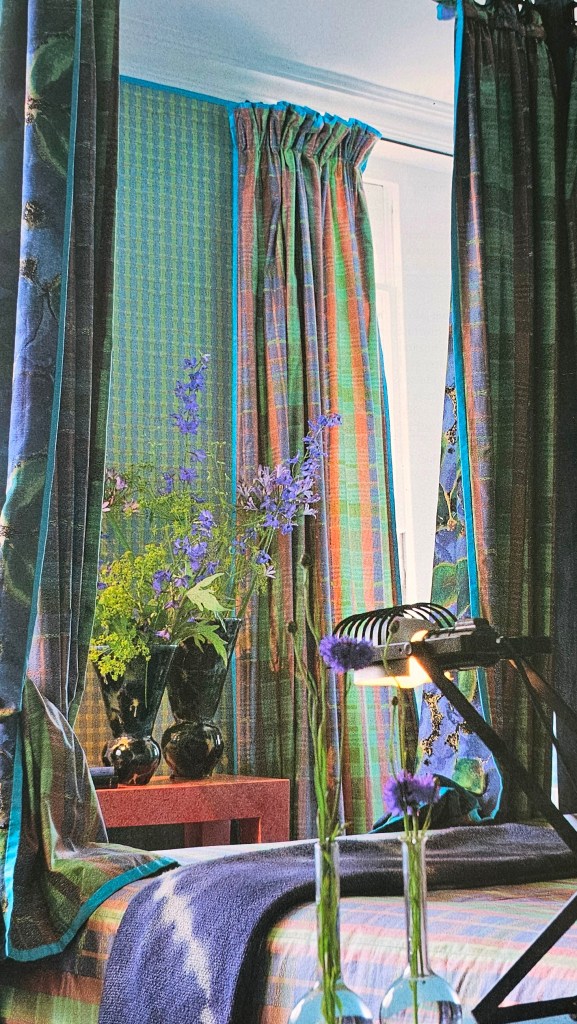
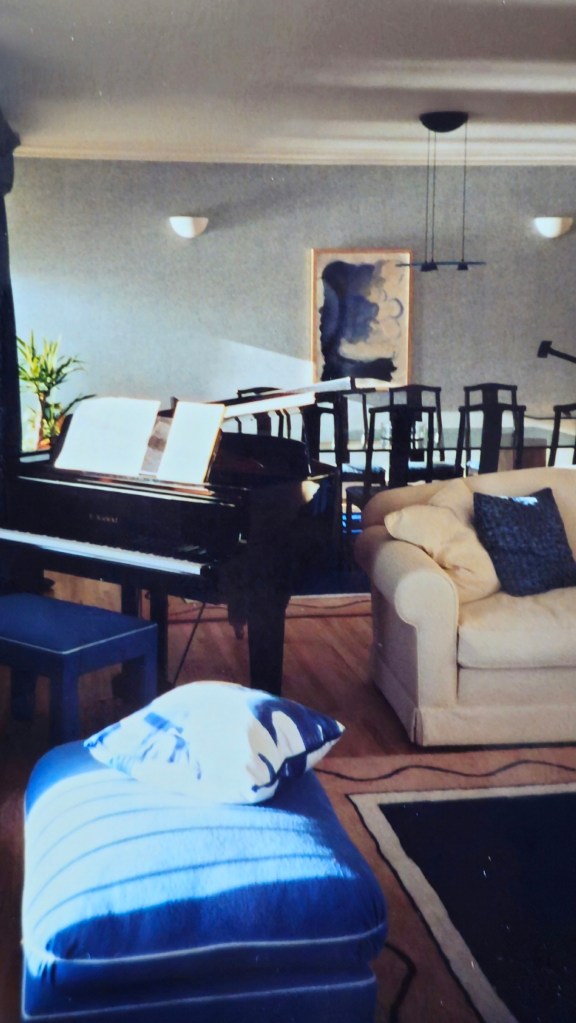
Our look was very different, of course. With the loads-of-money era of the 1980s in full swing, my clients varied from investors buying up flats in the poncy new wharfs and warehouses of the Docklands area (one development offered a ‘free’ Porsche with every purchase) to more traditional owners of mews flats in Belgravia or red brick houses in the Home Counties.
It was also interesting to witness the change in the King’s Road itself. When I’d started, there were remnants of its Swinging Sixties past as well as scruffy shops that sold tie-dye tee shirts and second-hand furniture. Vivienne Westwood and Malcolm McLaren’s shop was up the road at World’s End so there were punks aplenty in their tartan and chains, especially on a Saturday when the King’s Road became a catwalk. The new World of Interiors magazine was crammed into offices above the old Habitat shop. It felt like a local place, full of independent shops, and with a strong, creative vibe. Gradually that changed, with the homogeneity of big High Street companies robbing the area of its individuality. (I wrote about this in another blog here.)
I left Designers Guild in 1990. The financial crash of 1987 and an impending recession was influencing the business. New clients were more mindful of their budget and not so eager to finance upholstered walls and acres of curtaining. But more than that, I was going through an existential crisis. The AIDS epidemic was in full swing and my best friend had died in 1989; other dear friends were becoming ill. Mortality was on everyone’s mind. The superficial world of interior decoration, worrying about curtain styles and matching sofas, seemed trivial and unfulfilling. I floundered and left the company to start up my own practice but my heart simply wasn’t in it. Eventually I would discover the world of feng shui and a different way of working with interiors.
A fondness for Designers Guild has never left me. The company continued to expand, taking over adjoining shops on the King’s Road and adding another store in Marylebone. The fabrics continued to be sumptuous and colourful, and as original and identifiably DG as always. I suspect that those who followed me relished their time working there, too. It is crushing to think of that energy snuffed out. I read now that the company archive has been bought by the Sanderson group, who oversee a number of upmarket fabric companies, including William Morris’s original Morris & Co, so while the bricks and mortar in the King’s Road (and the people) might have gone, a legacy of some sort will remain.
I remember a friend saying in the 1980s that my working life seemed like one big party. In some ways it was. So thank you, Designers Guild, you were fabulous.




Just loved this account, Colin, of your time
LikeLiked by 1 person
Thank you. They’re good memories.
LikeLike
There were plenty of good times, to be sure. 🙂
LikeLike
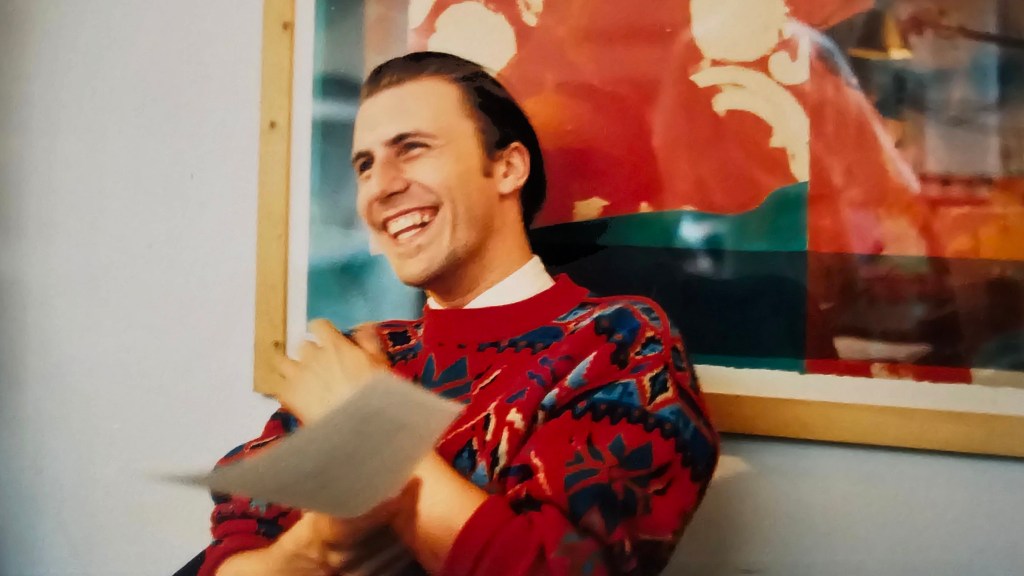
I loved reading about your 80s work life. What an amazing experience! I worked with several designers in Toronto ad agencies back in the day and I remember The Design Guild being a big deal. Love that photo (that is you, right?) Sure looked like you were having a good time! You’re right about work feeling a bit like a party back then. Despite the scary side of those days, there was freedom in the politically incorrect, booze-flowing and pre me-too days (not that I am advocating for any of that.) Sounds like you left the party at the right time, a life skill well worth cultivating!
LikeLike
Certainly different times. Some people’s jobs seemed to consist of going out for all-day lunches. I was relatively productive, in the circumstances!
LikeLiked by 1 person