It’s a truth universally acknowledged (at least in my household) that I am an inveterate dreamer. I am also, according to Chinese astrology, an Earth Pig, and that means a home lover. So when I travel, the two combine and I find myself pondering whether or not I could live in whatever place I’m visiting. I do it everywhere. Even when we visited the Vernadsky Research Station in Antarctica, still I asked myself if I could live there. (Odder yet, dear reader, was how I thought I could.) It’s my process of assessing somewhere in a way that makes sense to me. After all, when I was an interior designer and a feng shui consultant, I visited new spaces all the time and tried to imagine what daily life in those rooms would or could be like.
Our recent trip to Norway, Britain and Switzerland provided me with ample opportunity to indulge my propensity. There was actually a rational element, too, as we’ve been toying with the notion of spending more time in Britain or Europe. Like six months every year, that kind of thing. If so, where would we live? That’s obviously the kind of challenge I was born for. So in which country did I think I could live most happily?
Norway

We started in Norway and while we were there for nearly three weeks, it was in slightly artificial circumstances. We were on a ship which meant we didn’t stay overnight on land. But it was a small ship that hugged the coast and nosed through narrow waterways, and we stopped at quite a few small places, which gave me a feeling for normal Norwegian life.

I was seduced by Bergen, especially as our arrival by water seemed the perfect way to appreciate the city’s stunning setting. The harbour area is famous for the picturesque 14th century Hanseatic quarter and remnants of King Hakon’s medieval castle so there’s plenty of great history. It’s an immensely attractive city, with winding streets full of quaint buildings and a smart commercial hub with a very fine theatre building.

We took a tram to Fantoft on the edge of the city to see the medieval stave church that was moved there in the 1880s. A woman in a flower shop directed us the final part and her cheerfulness seemed to sum up the place. Living there would be very acceptable.
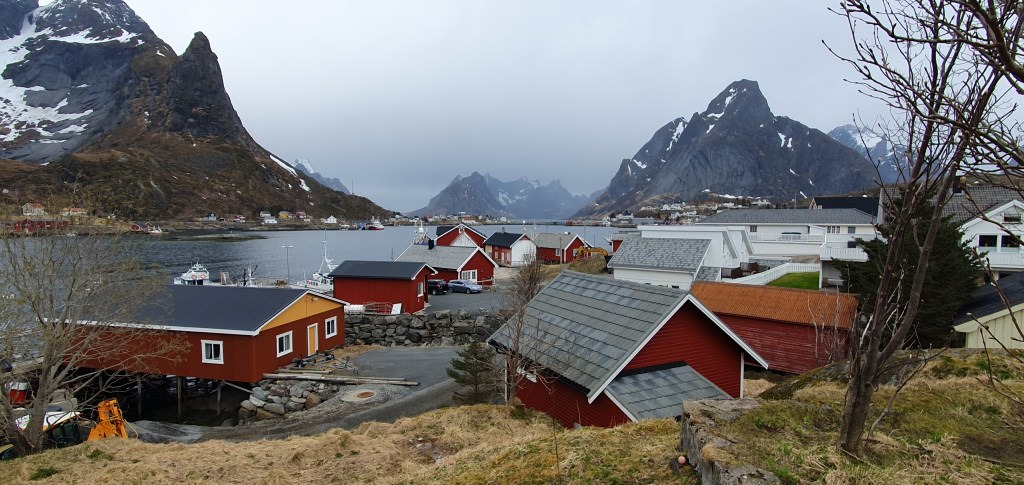
The Lofoten Islands gave me a hint of traditional life in a spectacular landscape. Reine is classic Norway, with racks of drying stockfish everywhere you look and red-painted buildings clustered around the fishing harbour. There were plenty of holiday cottages and I reckon it’d be a great place to spend a week or so, relishing the hygge ambiance whenever the weather turned grim.
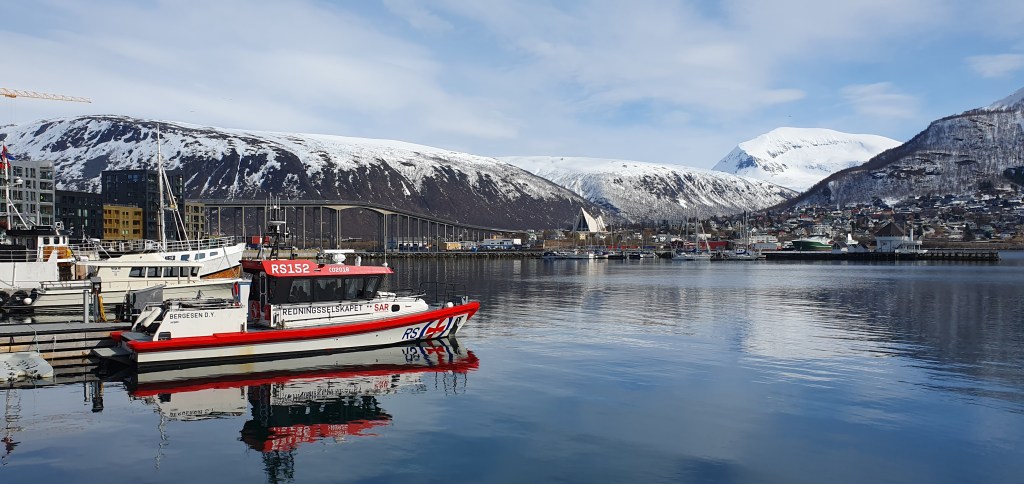
We continued north, beyond Tromso, which felt frontier-ish and was too icy for us to explore its Botanic Garden. And then we spent a day crossing the Barents Sea to Svalbard.
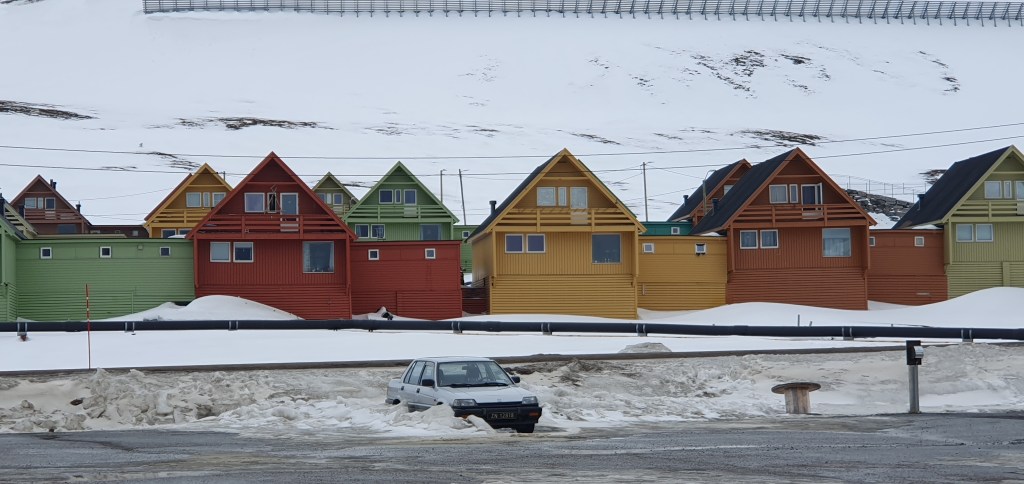
Longyearbyen is the world’s most northerly human settlement, a mere 1000 kilometres from the North Pole itself. Which means it has 155 days a year without daylight. As a mining town, it looks more industrial than suburban. And yet it’s got a vibe. There’s a university and the global seed vault is hidden deep inside the hillside, and, even though this archipelago is part of Norway, you don’t need a visa to live there. Which explains (sort of) why there’s a sizeable Thai population. It’s bleak and beautiful, and the hub for all kinds of wilderness adventures. We were mindful of polar bears as we walked into town but were told they rarely make an appearance in town. The shops and cafes were bustling on a Saturday with young families and young people in general. I loved the skimobiles parked en masse. I definitely wouldn’t want to live there but I can see its appeal to someone looking for an unforgettable year in one of the most remote places on earth.

I felt we had a good overview of Norway even if we missed Oslo. It was great seeing so many electric vehicles and how the country’s sovereign wealth fund is used to build infrastructure. The tiniest village would be connected to others by impressive bridges and tunnels, giving a sense of a country looking after itself. I liked the quality of things, like the squares of felted wool used to sit on outside. We’d been warned how expensive everything was but prices didn’t seem too scary, although we were told a glass of wine in a café costs as much as bottle in Britain. I found Norway fascinating and certainly the southern parts would be very liveable. But I left wondering if there was enough to sustain me on a really long trip there.
United Kingdom
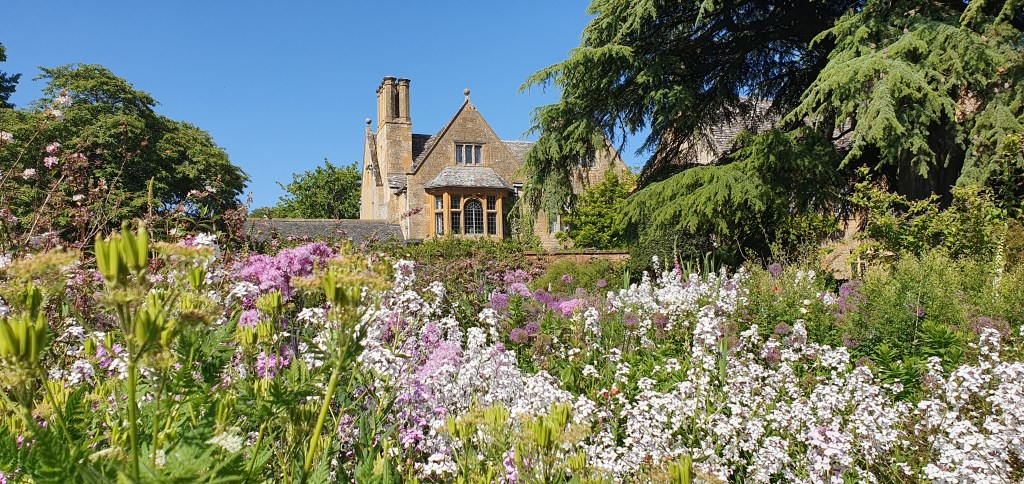
I still consider Britain as home, even though I’ve lived in Australia for so long, and it was lovely to see friends and family after the enforced break of Covid. Being there in May and June meant gardens a-plenty, plus the Chelsea Flower Show. Our first weeks were spent in the south east and the countryside felt idyllic in the sunshine with achingly pretty villages and houses that had me constantly saying, ‘That one, I could live in that one.’ I even began to wonder why we didn’t move back fulltime.

I’d never been to Great Dixter and it didn’t disappoint. The gardens at West Dean were also a stand-out, and staying in the grand old house, now run as an arts and conservation college, was a treat, being able to waft through the spacious rooms, past the Mae West Lips sofa and lobster telephone that owner Edward James commissioned from Salvador Dali in the 1930s.
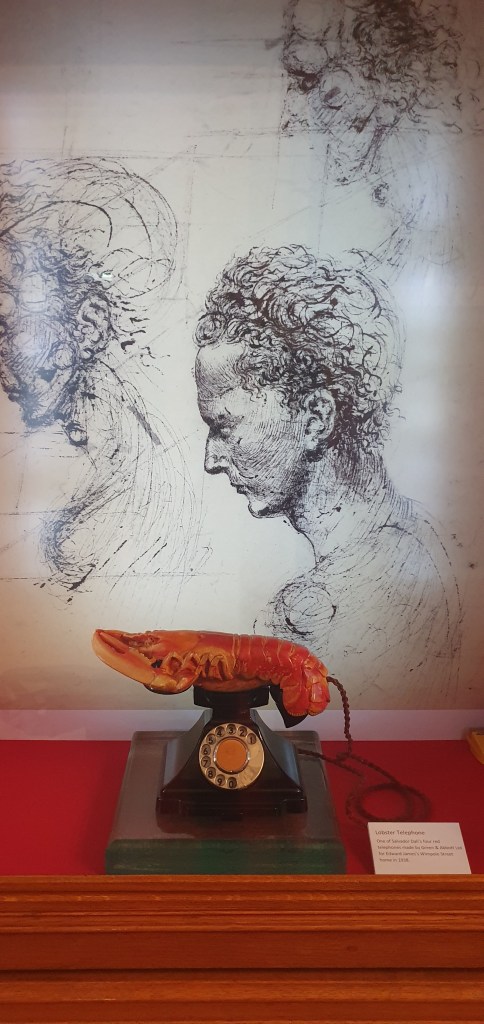
It constantly amazes me how you find such staggering history and beauty in every corner of the country.
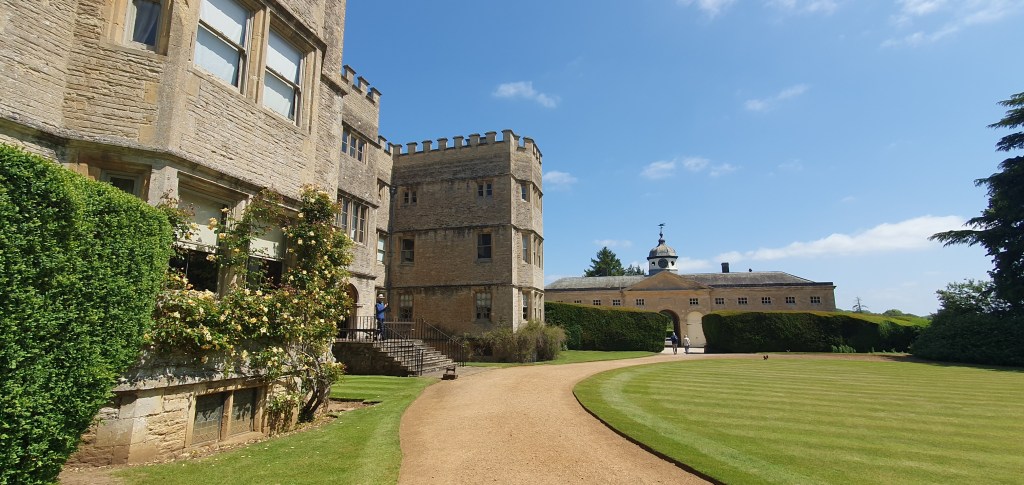
Hidcote was as dreamy as ever and so was the lovely landscape of Rousham, laid out by William Kent when Capability Brown was just a boy. I swanned down memory lane in Abergavenny, the town of my childhood in South Wales, and I rediscovered Herefordshire. The county struck me as similar to rural France, with rolling green countryside, quiet roads (and hedgerows packed with flowers) and an endless supply of lovely old buildings. A kind of l’Angleterre profonde. We dawdled in the pretty black-and-white villages, which weren’t overrun with tourists as the Cotswolds are. London and Manchester seemed as upbeat as ever, and the area of Northumberland where my sister lives is always beautiful with its historic buildings and varied countryside.

And yet, as time passed, I came face-to-face with the things that had irritated me when I lived in Britain, like traffic jams, queues and broken-down trains. Brexit has had an effect and there were shortages in some shops, and hotels and restaurants were short-staffed, obviously stressing those who worked there who were often abrupt and sometimes downright rude. The rise of online shopping during Covid has made a mark, too, leaving the high streets of many country towns with endless charity shops and not much else. There was an atmosphere of struggle and division, and fatigue from having such a dreadful government for so long. The zing of Cool Britannia seemed long gone. And the British still can’t make a decent cup of coffee.
The chaos of an understaffed, packed airport at Manchester with its broken escalators and grubby lifts seemed like a metaphor for the whole country. We left, sad to farewell friends and family but a tiny bit glad to get away.
Switzerland
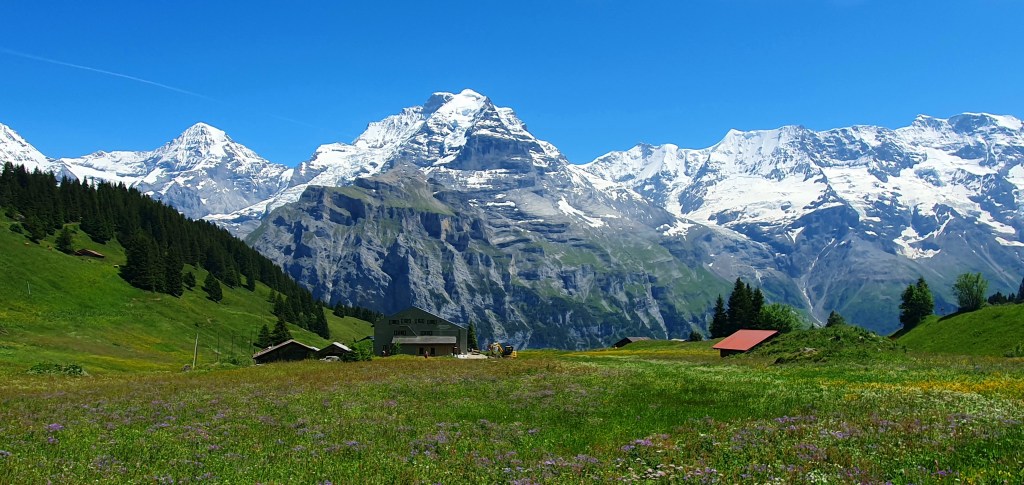
Switzerland never lets me down. Some people view it as dull and stodgy but there’s much I love about it. Of course it’s mainly about the scenery, which fills my heart every time we’re there. I also like its position in Europe, how I can hop on a train and be in France, Italy, Germany or Austria in no time at all. And then there’s the sense of quality – in the triple-glazed windows, the integrity of all the wood (and concrete), the design of its trains. After the thrill of visiting the Goetheanum (see previous post) we moved to an apartment in a farmhouse overlooking the Lauterbrunnen valley.
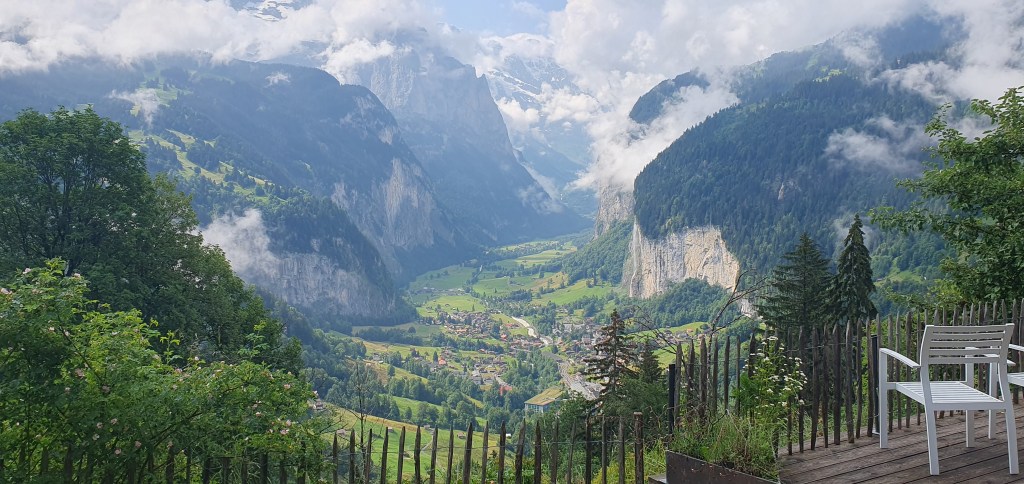
It was a way of pretending we lived there, waking to the sound of waterfalls, birdsong and cowbells, eating breakfast and dinner on the terrace with the almost unbelievable panorama before us. We walked in meadows bursting with flowers and marvelled at the majesty of the Eiger, Monch and Jungfrau mountains. It was so nourishing and I could easily imagine spending more time there. It’s why we keep returning to that particular corner of Switzerland.
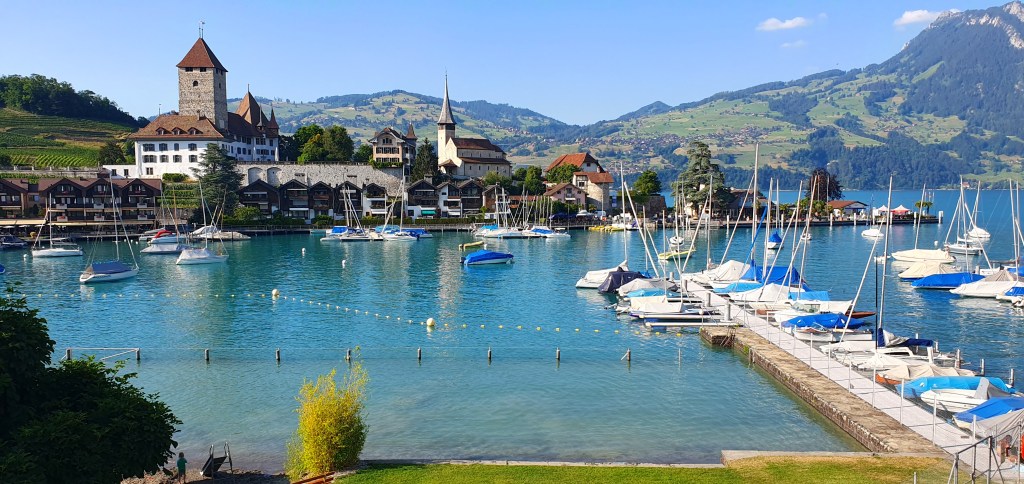
Our final stop was just a short train ride away in Spiez, a sedate lakeside town with a Disneyfied castle and vineyards that produce fine wines. Lake Thun itself is a remarkable colour, caused by glacial meltwater, and swimming in it was a pleasure on a hot day. The town manages to escape the hardcore tourism of nearby Interlaken, which can feel overrun with those ticking off the sights of Europe. And, being linked by fast train to Bern, it’s an easy commute for those who work elsewhere, meaning it has a diverse population. I liked it immensely.
Switzerland struck us as more expensive than Norway but self-catering helped. Train tickets are pricey, too (as they are in Britain) but if you plan ahead then they’re not so bad, and a day ticket often allows you to pause as many times as you want, making a journey from, say, Basel to Interlaken more memorable if you stop to explore Bern and Thun on the way. It’s a country for the wealthy, without a doubt, with a subclass of service workers who are brought in with no hope of ever getting permanent residency. I can picture myself living there, though, for at least several months, experiencing the different seasons.
Northern Rivers, Australia

And then we were home. This time we flew from Zurich to Brisbane, not Sydney, and while I’ve always found Australian airports to be pretty cruisy, Brisbane’s was an absolute doddle and we were soon swooping down the motorway into New South Wales. It was lovely to see the green hills and sparkling ocean, and then weave along lanes that weren’t as floriferous as Herefordshire’s but just as pretty. That’s when I had the realisation that this was where I wanted to be. I’ve normally returned from Europe feeling rather low, wishing I wasn’t so removed from all it offers. Now, for the very first time, I knew I was home. Maybe I don’t need to be anywhere else for long, after all. Well, who would have imagined that?
Where would you like to live if you had the chance?
 Colin Bisset
A wonderful reflection, Colin. Thank you!
Similarly blessed to have been able to visit many of the same places (but not, alas, Norway) and lived in various countries, it’s often that moment upon return when you look upon our blue-grey gums or our wattle in winter, sprinkled with bird song and fragrances only possible here, that that surge in contented satisfaction and love for country really strikes the heart.
How blessed we are to have such bounty. If only people would steal their attention away from devices long enough to look up and see it we might have much more community cohesion and less partisan politics as we reset our aspirations.
Keep up the great work!
LikeLiked by 1 person
Thank you. It sounds like you are exactly where you want to be, Matthew. And yes, aren’t we lucky to travel, which certainly makes the good, the bad and the difference of new places shine out. I love your description of the landscape here. While I’ll continue to travel it’s good to know where home is!
LikeLike
You write so superbly Colin. Such a leisurely pace but filled with insights and acute observations.
Wouldn’t mind living in a big city such as Rome or Madrid or Naples or Palermo. Food and history to make it so thrilling .
LikeLiked by 1 person
Thanks so much, Amanda. And I can see the allure of all of those wonderful places with so many layers of history. I’ve felt the same there, too, and especially would love to spend more time in Naples. I fear for them, though, with climate change and the horrendous summers they now suffer.
LikeLike
I love reading about your travels! I was intrigued enough by your ‘earth pig’ to google my own Chinese sign — not sure why my ‘fire rooster’ would be similar but, like you, I love to imagine living in places we travel to. Australia is still high on my list and I’ve always wanted to visit Brisbane. Yet, increasingly, there’s no place like home. Switzerland, I sense, kind of got your vote for a second home? I’d have preferred our home to be overlooking a lake but our mountain view is so spectacular I’m happy enough to hop in the car to get to water. In any case, we are blessed to be surrounded by so much beauty.
LikeLiked by 1 person
It’s pretty hard for Switzerland to fail, in my opinion. Not sure if the budget can stretch to long periods there but it’s certainly a constant, as Japan is becoming (the Asian Switzerland, as i think of it). I’m so glad you’ve found the right balance now, mixing French language, family proximity and wonderful scenery. And maybe it’s because we’ve experienced the trial and error, adjusting to new countries for so long, that it’s now rather marvellous to find that home resonates the strongest. I was certainly surprised to find that this pig was happy to be home. And that is certainly something to crow about, Madame Rooster!
LikeLiked by 1 person