I was chatting on the radio to Jonathan Green the other day about memorials. We talked about some significant ones, contrasting the flamboyant Albert Memorial in South Kensington with the bleak (and now demolished) November Revolution memorial in Berlin, and marvelling at the spomeniks of the former Yugoslavia and the deeply moving memorials at Hiroshima and at the Jewish Museum in Berlin. (You can hear the conversation here.) And, with death in my mind, I was wondering if I would want a memorial.

The idea of a gravestone seems less important in these days of shifting communities, when we cannot incorporate them into our daily lives. My mother’s parents are buried in a lovely, leafy cemetery near Tighnabruiach in Argyllshire but I’m not sure when any of my family last visited. Certainly years ago. My father’s parents have a grander memorial, sculpted by my grandfather’s brother, Douglas Bisset, who carved a lovely Celtic cross that stood, for a while, at the front of St Modoc’s in Doune, where my grandfather was the rector, but which was later moved to the cemetery on a hill.
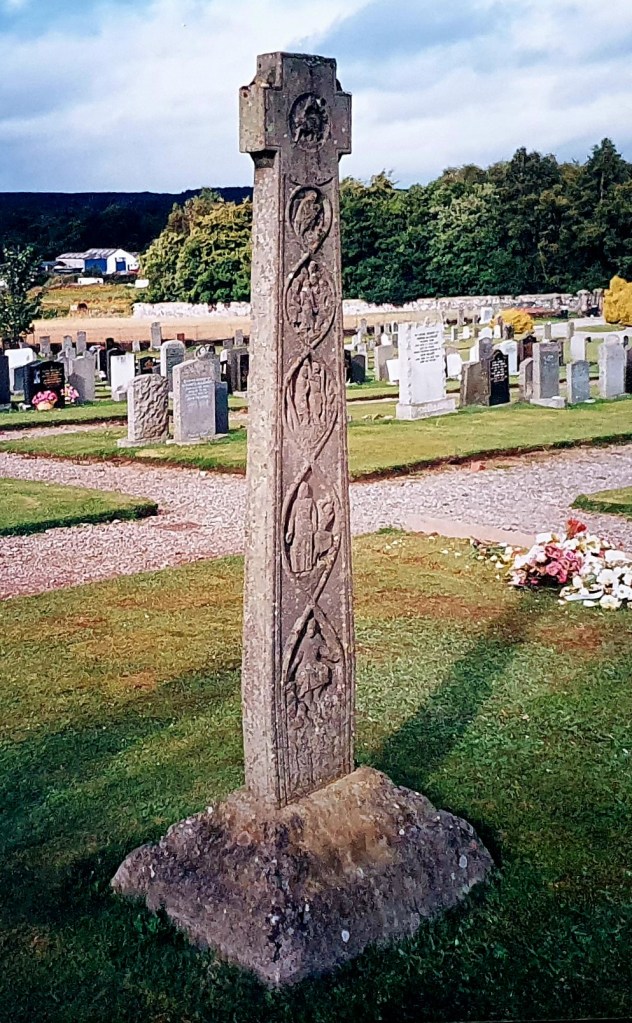
Again, it’s been a while since any of our family visited it. My best friend’s grave is in a churchyard near Bath but I haven’t been there since it was first placed there almost 35 years ago. So what is the point of a gravestone if it sits unvisited and untended?
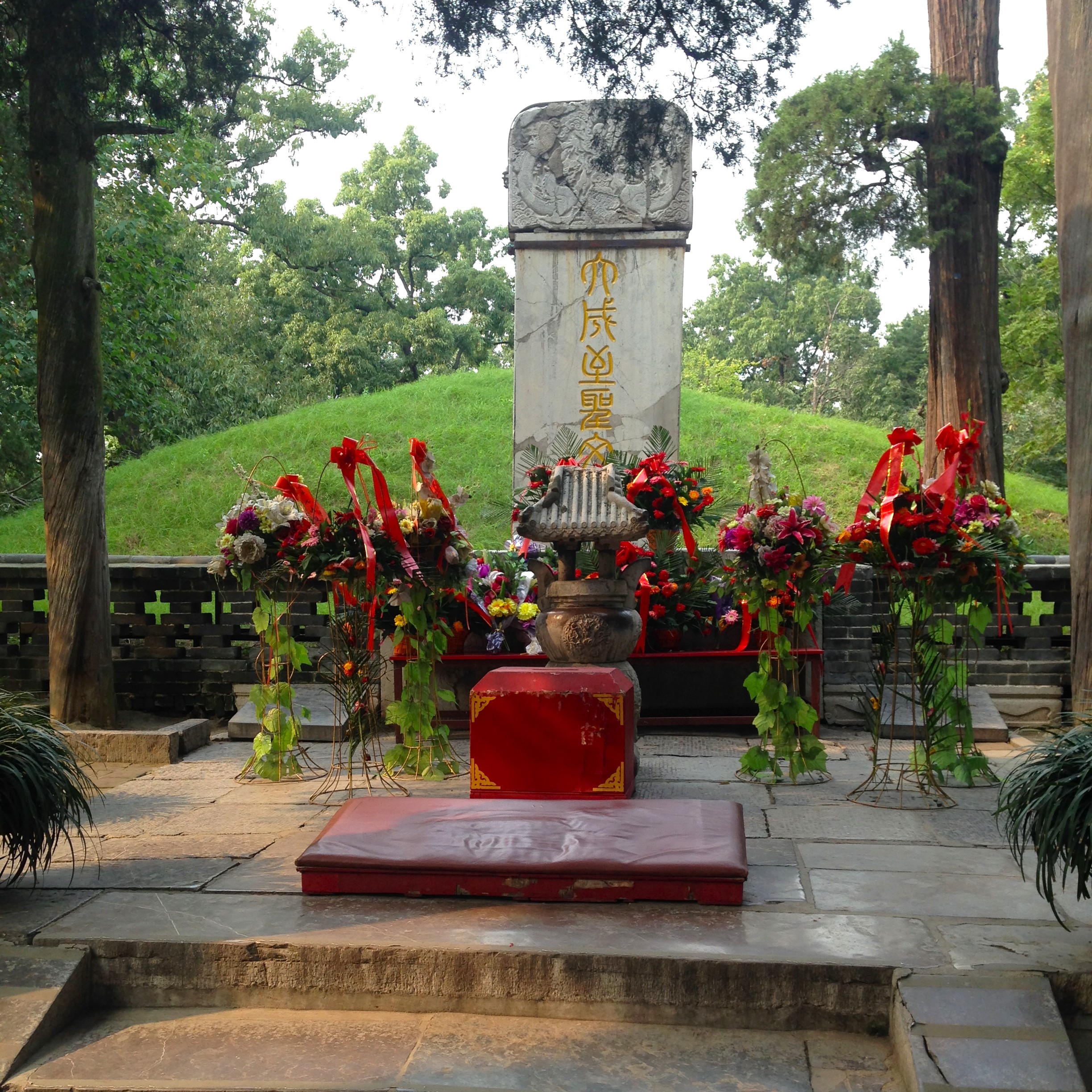
I think of those roadside bunches of flowers that mark the spot of a fatal crash. There are similar modest memorials at the beach here, remembering those who drowned or who were killed by sharks. They act as warnings or reminders to others.

My father wanted his ashes to be sprinkled in the waters at Bolton Abbey in Yorkshire. My mother wanted hers to be buried in the churchyard at Christchurch in Harrogate. Neither had their wish. My mother wouldn’t countenance the informality of scattered ashes in the countryside, and my father, an atheist, wouldn’t countenance being bounded by church walls. In the end, their ashes were scattered in a wooded part of the town’s municipal cemetery. Simple metal plates alongside the path give their names and dates. My sister visits when she’s passing through and lays flowers but I’ve never been back.
So I don’t think I care what happens after my death. I don’t need a special place where those left might visit. They have their memories of me and when they are gone, well, so what. Maybe markers of big events, of genocides and massacres, of wars and plagues, have a place because it seems like we forget them too easily. While I am often moved by the sentimental war memorials in France with their sad-faced soldiers and weeping women, often the grander statements, the big cenotaphs and ANZAC monuments, make me annoyed that lessons are never learned and wars continue. How will those in Gaza or Israel be memorialised?

The life of a creative means their work will live on, in some way. Who cares where Picasso’s body lies? Or Leonardo’s or Frida Kahlo’s? What matters is the preservation and continued sharing of their work. While I am moved by Le Corbusier and Yvonne’s grave in Roquebrune, and Matisse’s simple stone tomb in Nice, it is their work that moves me more. And that, I suppose, is a call to express ourselves in all the ways we can, even if we do not create great artworks but are simply kind and decent. Because a stone really can’t tell the same story.
Do memorials have a place in your life?


 Colin Bisset
Lovely as usual.
Cemeteries can however prompt insights into history. A example being the poignant memorials to babies and children – ever present reminders of how common it was for children to die from diseases we now have mostly eliminated.
LikeLiked by 1 person
Excellent point. I love a cemetery, too, for those same reasons. So many children. And interesting to see how certain families dominated a certain place. The diminishing role of the cemetery will be a real handicap for future historians.
LikeLike
Interesting piece! As much as I’ve always loved visiting Europe’s peaceful, historic cemeteries (Père Lachaise, Montmartre), ever since I learned that the so-called final resting places are not always eternal, I’ve gone off the idea. It seems that overcrowding is a thing in many cities, and in some cases the spots are even ‘recycled’ after several decades. Plus, family members don’t tend to visit or keep them up for more than about ten years, so what’s the point? Cremation always seemed more appropriate to me but in France you are not allowed to spread ashes anywhere so that’s another money trap: people pay to keep the urns of their dearly departed in ‘columbariums’. So I’m with you: when I’m gone, I’m gone. RIP!
LikeLiked by 1 person
Gosh, I thought I’d responded but obviously didn’t! Yes, recycling is definitely a thing, and needed, I think. But it does make the final resting place somewhat meaningless, as you say. I’m not a fan of columbariums although I did enjoy walking in the one in Monaco when i was researching my novel. How strange that France won’t allow ash spreading. I would’ve thought they’d be quite relaxed about such things, being so non-secular. Ashes under trees or scattered in rivers, lake and oceans seems like a lovely ‘final’ resting place, if one is needed.
LikeLiked by 1 person